Skip to content

CITE: Faster Reports. Clearer Evidence. Stronger Utility Decisions.

Energy utilities have to defend conclusions with regulations, technical records, inspections, procedures, and correspondence. CITE keeps that evidence in the reporting workspace, adds one-click citations, and delivers the report and its sources as one interactive PDF.

One App. All Sources. Reports in Record Time.

Faster Preparation. Direct Traceability. Defensible Work Product.

Utility professionals are paid to evaluate evidence and reach sound conclusions. CITE takes on the work around that: locating documents, switching applications, building citations, checking references, and packaging evidence. The report and its support stay connected from the first draft through review.

Less time goes to searching for documents, moving between applications, creating citations by hand, validating references, and assembling the final evidence package.

Findings and conclusions stay connected to their sources, so a reviewer can see not only what the report says, but why it says it.

Easier source verification encourages better-supported conclusions and makes missing or inconsistent citations easier to catch in review.

Regulators, auditors, counsel, executives, and other reviewers can examine the evidence behind material assertions on their own.

A reviewer moves from a conclusion to the supporting passage directly, instead of requesting the file, locating it separately, and searching for the relevant page.

The interactive PDF places the report, citations, and supporting documentation in one shareable deliverable, without a separate evidence folder.

Get It Together. Prove It. Deliver It.

The reporting workflow, without the scavenger hunt

CITE keeps source material beside the analysis, then packages the finished report with its evidence.

  • Get your stuff together. Regulations, policies, engineering records, inspection reports, photographs, correspondence, studies, and spreadsheets stay visible in the reporting workspace.
  • Prove your point. One-click citations connect findings, conclusions, and recommendations to the supporting source as the report is written.
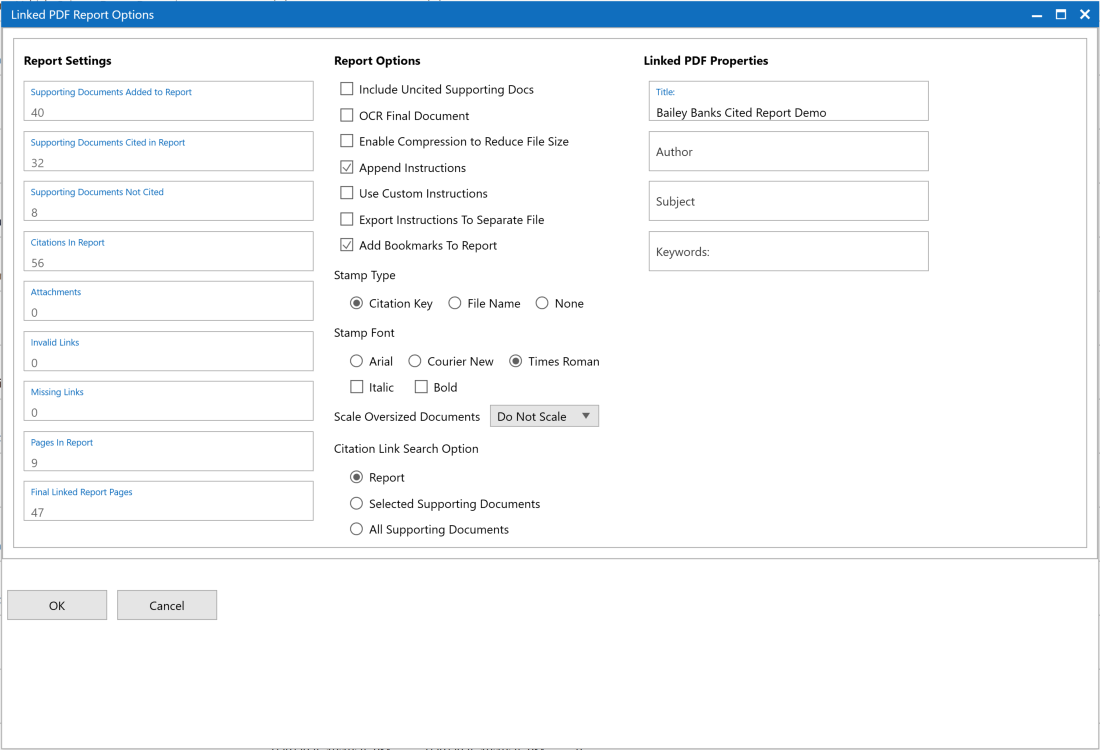
  • Deliver the goods. An interactive PDF holds the report and its supporting documentation in one file, so a reviewer can move from a statement to the evidence.

Built for Energy Utility Teams

Eight Workflows. One Evidence Trail.

Compliance, engineering, operations, safety, legal, and investigative teams share one workflow: analyze the record and reach a conclusion. CITE takes on the time lost to finding documents, switching applications, building citations, and packaging evidence. Regulatory work is a particularly strong fit, because a utility has to show which requirement applies, what it did, and which evidence supports that conclusion.

Sources stay open while drafting, and one-click citations tie each assertion to the regulation, policy, or operating record behind it. Preparation is faster, and regulatory review has a clearer evidence trail.

Interviews, photographs, logs, technical reports, and procedures sit with the narrative. Findings take less administrative effort and are easier to defend.

Operational data, maintenance records, and event documentation come together in one account, with key conclusions linked to the records that support them.

Inspection reports, specifications, photographs, maintenance histories, and vendor documentation stay connected to the engineering conclusion, which speeds peer review and strengthens the record.

Regulations, procedures, and factual evidence can be cited from the report itself. That improves auditability and cuts the work of packaging a separate evidence file.

Interactive citations give reviewers the evidence under each response. Response cycles get shorter, and fewer requests come back for documents the team already has.

Decision-makers move from a recommendation or cost justification to the engineering study, forecast, contract, or analysis that supports it.

Source-driven drafting keeps factual assertions, records, and exhibits connected through the report, with less exhibit-management work and a more defensible product.

Measure the Hours You Actually Recover

For an initial deployment, the ROI case is staff time recovered from reporting the utility already does. Benchmark a few real reports during a pilot, and let that data make the business case.

  • Pilot 3–5 source-intensive reports from one or two functions, such as a compliance assessment, an incident investigation, an engineering assessment, and a regulatory response.
  • Compare baseline hours with CITE hours across source collection, drafting, citation, verification, review, and final assembly. A 30–50% reduction in those administrative steps is the range to test.
  • Example: 5,000 annual hours at a $125 fully burdened rate is $625,000 of labor. A 40% reduction recovers about 2,000 hours, or $250,000 a year, before faster reviews and fewer follow-up requests.

Onboarding takes about 30 minutes. Short video tutorials, a written user guide, and an in-app chatbot cover the rest, so a pilot team can start without an extended training program.

Frequently Asked Questions

Select 3–5 representative, source-intensive reports from one or two functions and produce comparable work in CITE. Measure baseline staff hours, CITE staff hours, hours recovered, and labor value recovered. Secondary measures can include citation time, packaging time, reviewer time, review cycles, source-verification time, and follow-up requests for supporting documents.

Typical onboarding takes about 30 minutes. CITE is designed to fit existing reporting practices, so a pilot team can start without an extended implementation or training program.

Users have short video tutorials, a written user guide, and an interactive chatbot for immediate guidance. That combination gets people productive quickly and covers less frequent features as they come up.

Yes. CITE packages the completed report and its supporting documentation into one interactive PDF. Hyperlinked citations let a reviewer move from a statement in the report to the underlying evidence.

Anywhere a conclusion has to be demonstrated, not just stated. That includes work for FERC, NERC, state utility commissions, environmental regulators, and occupational-safety authorities, plus internal audit, engineering assessment, and legal or investigative reporting.

Measure the customer’s actual workflow during the pilot and let that data establish the business case. Focus on hours recovered from source collection, drafting, citations, verification, review, and final assembly, rather than speculative benefits such as eliminating regulatory findings or preventing outages.